
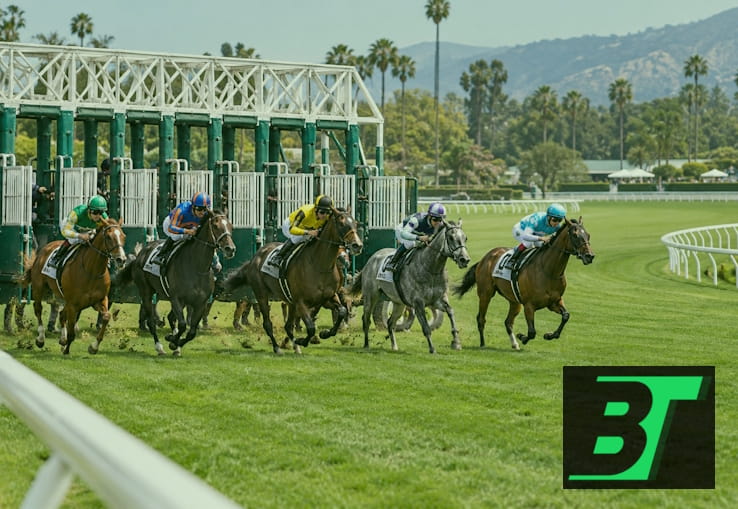
Horse racing betting gets sharper when post position is read alongside pace, distance, field size and the run to the first turn
Post position gets too much credit when things go right and too much blame when they go wrong.
The gate matters, but not on its own. A wide draw can be awkward if the first turn comes quickly. The same post can be almost harmless when there is time to settle. That is the useful way to read it. Anyone checking horse racing betting online should ask what the draw forces the horse to do, not whether the number looks good or bad.
That usually tells more than the post itself.
Take a front-runner drawn wide.
If the bend comes up quickly, the rider may have to push early just to avoid being stranded. That costs energy.
Take the same horse in a race with a long run to the turn and the problem shrinks. There is more time to cross over.
That is why distance and track layout have to come first.
The post only becomes useful once those are clear.
A closer does not always care about being wide.
That horse may be dropping in behind the field anyway.
A stalker has a different problem. It needs to find cover without getting shuffled too far back. A speed horse may simply need room to go.
The rough guide looks like this:
That is much more useful than saying inside is good and outside is bad.
Field size changes the draw.
A mid-pack post in a small field can be perfectly ordinary. Put the same number in a big field and suddenly there is more traffic on both sides.
That changes the opening seconds.
|
Race setup |
What the draw can change |
|
Small field |
Less traffic |
|
Big field |
More chance of being boxed or wide |
|
Short run to turn |
Outside posts can be costly |
|
Lone front-runner |
A clean inside gate may help |
|
Deep closer |
Wide can matter less |
The number stays the same.
The trip does not.
A few horses lose from inside posts and people start calling the rail dead.
Sometimes it is.
Sometimes those horses simply had poor trips.
Rain can change the best part of the track. So can wear from earlier races. That means post-position stats should never be read without watching what actually happened on the day.
If the inside path looks slow, that matters.
If one rider got trapped behind tiring horses, that is a different story.
A wide horse with real speed may clear the field before the bend.
An inside horse with no early pace can get buried.
That is where simple post logic falls apart.
Try to picture the first ten seconds of the race. Who goes forward? Who takes back? Which rider needs to make a decision immediately?
That little mental map is often more useful than a historical post percentage.
Suppose a horse already has the right form, distance and pace setup.
Then it lands a difficult gate.
That may be enough to lower confidence a little, especially if the horse is likely to lose ground early. It does not have to erase the horse from consideration.
The reverse is true too. A perfect draw cannot fix weak form.
Post position is best used as an adjustment.
Nothing more dramatic than that.
Keep stakes planned before the race. A surprising draw can change the read, but it should not change the budget.
A post number only becomes useful once there is a picture of what happens after the gates open.
Some horses need to cross quickly. Others need cover. A few can afford to wait.
That is where the draw becomes useful for betting: not as a verdict, but as a clue to the trip the horse may get.