
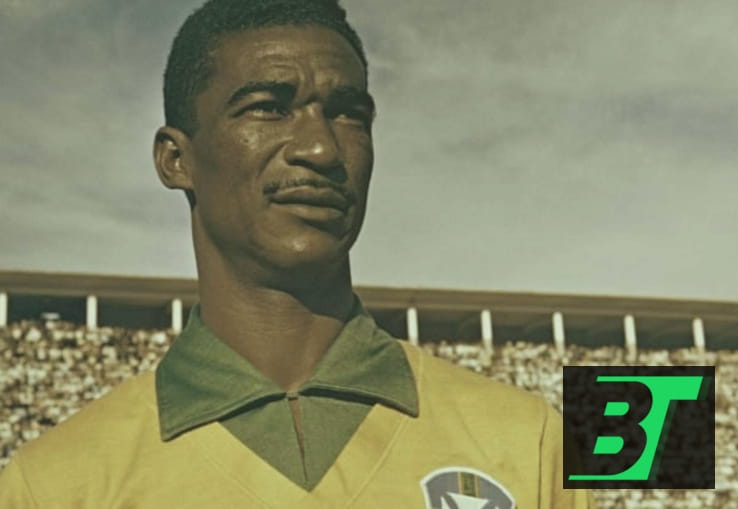
A detailed article about Didi, the Brazilian legend known for vision, passing, and influence on modern midfield play.
Waldyr Pereira, known worldwide as Didi, was born in 1928 in Campos dos Goytacazes, Brazil. He grew up in modest conditions where football was played in streets and open spaces. From a young age, his ability to control the ball and understand the flow of a match stood out. While many players relied on speed or strength, Didi developed a calm and intelligent approach. That same appreciation for football history and tactical intelligence is still part of the modern game followed by fans through platforms such as Mel Bet NG. This foundation shaped a career that would influence the role of midfield players for decades.
Didi began his professional journey with smaller clubs before making a strong impact at Fluminense. His performances there showed a player who could control tempo and distribute the ball with precision. Later, at Botafogo, he reached his peak at club level. Playing alongside talents like Garrincha, he helped the team achieve major domestic success. His leadership on the pitch was based on intelligence and positioning rather than physical dominance, which made him unique for his time.
Didi played a central role in redefining how midfield operated. He was one of the first players to dictate rhythm consistently throughout a match. His passing range allowed him to switch play with ease and create opportunities from deep positions. One of his most famous skills was the folha seca free kick, where the ball dropped suddenly in flight, confusing goalkeepers. This technique became a trademark and showed his innovative approach to the game.
The most important achievements in the career of Didi came with the national team. He was a key figure in the World Cup victories of 1958 and 1962. In the 1958 tournament, he acted as a leader within a squad that included emerging stars like Pelé and Garrincha. His composure allowed the team to remain balanced during difficult moments. He was named best player of the tournament, a recognition of his influence in guiding Brazil to its first world title. Four years later, he remained an important part of the squad that secured another World Cup victory.
Didi moved to Real Madrid after international success, joining one of the strongest teams in Europe. However, adapting to a different playing style and a squad full of established stars proved difficult. His time in Spain did not reach the same level of success seen in Brazil. Even so, this move highlighted the growing respect for South American talent in European competitions.
After returning to Brazil, Didi continued to play and later became a coach. He managed several teams and also worked with the Peru national team during the 1970 World Cup. His understanding of tactics and player positioning allowed him to guide teams effectively. Even outside the pitch, his influence remained strong, as he shared knowledge with younger generations of players.
The style of Didi was based on calm decision making and technical excellence. He rarely rushed play and always seemed to control the pace of the match. His vision allowed him to find passes that changed the direction of attacks. Many modern midfielders reflect elements of his approach, especially in controlling tempo and linking defense with attack. His contribution helped shape the modern understanding of the midfield role.
Didi remains one of the most influential figures in football history. His role in two World Cup victories and his impact on how the game is played ensure lasting recognition. Even though other players from the same era often receive more attention, his importance cannot be overlooked. He was the strategist on the field, guiding the team with intelligence and precision.
The career of Didi represents intelligence, innovation, and leadership. From early days in Brazil to success on the global stage, he consistently showed a deep understanding of football. His influence continues to shape the role of midfield players today. Didi stands as a true pioneer, proving that vision and control can define greatness in football.