
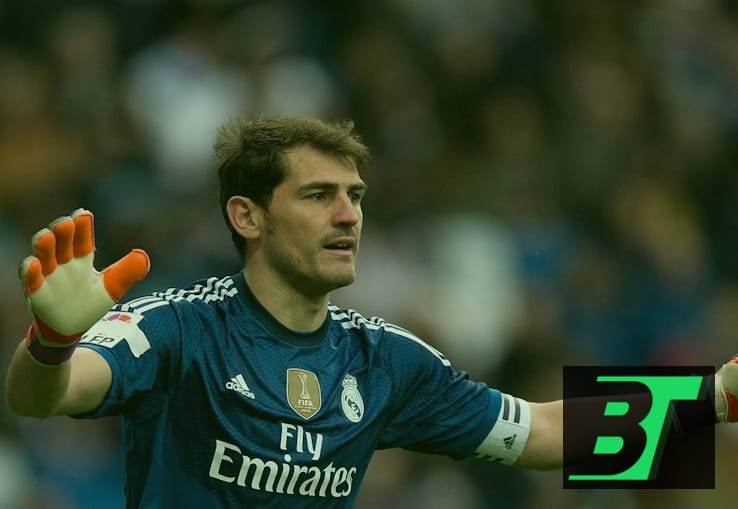
A comprehensive look at Iker Casillas, the Spanish goalkeeping legend who led Real Madrid and Spain to historic success.
Iker Casillas was born in Mostoles, Spain, in 1981. From an early age, he showed remarkable reflexes and composure that set him apart from other young players. He joined the Real Madrid academy at a young age and progressed rapidly through the youth system. Coaches immediately noticed his confidence in goal, his ability to read attacking movements, and his strong communication with defenders. By his mid teens, Casillas had already developed the traits that would later define his professional career.
Casillas made his first team debut for Real Madrid in 1999, becoming one of the youngest goalkeepers to play in the UEFA Champions League. His performance against top European teams demonstrated maturity beyond his years. Within a short period, he secured the starting position and became a key figure in Madrid defensive structure. His shot stopping ability, quick reactions, and leadership were essential in Real Madrid winning the Champions League in 2000 and again in 2002. During these seasons, Casillas built a reputation as a reliable and fearless goalkeeper.
Throughout the early 2000s, Casillas continued to improve his technique and consistency. His performances were closely followed by analysts, supporters, and global football platforms, including communities that discussed football trends alongside services like Probet42 Sportsbook. While attention grew around attacking stars in Madrid, Casillas remained the quiet leader who ensured stability at the back. His ability to remain calm under pressure and produce decisive saves made him one of the most respected goalkeepers in the world.
Casillas was equally influential for the Spanish national team. He earned his first international cap in 2000 and soon became the starting goalkeeper. Spain golden era between 2008 and 2012 saw Casillas lead the team to two European Championships and the 2010 FIFA World Cup. His save against Arjen Robben in the World Cup final remains one of the most iconic moments in tournament history. Casillas leadership and presence helped transform Spain into one of the most dominant international teams ever assembled.
As captain of both Real Madrid and Spain, Casillas demonstrated a calm and disciplined leadership style. He did not rely on aggressive gestures but instead led by example. Teammates trusted his judgement and organization from the back line. His communication ensured defensive cohesion during high pressure matches. Under his captaincy, Real Madrid secured La Liga titles and domestic trophies, while Spain achieved its most successful period in football history.
After more than two decades at Real Madrid, Casillas moved to FC Porto in 2015. The transfer marked a new chapter in his career, but his professionalism remained unchanged. At Porto, he provided experience and leadership to a younger squad while maintaining high performance levels. He helped the team secure domestic honors and remained an important figure in European competitions. Even in the later stages of his career, Casillas displayed sharp reflexes and composure.
Following a heart attack during training in 2019, Casillas eventually retired from professional football. His legacy extended beyond trophies and appearances. He became involved in football administration and charitable work, using his influence to support youth development programs and social initiatives. His commitment to promoting the sport continues through ambassadorial roles and mentoring projects.
Iker Casillas is widely regarded as one of the greatest goalkeepers in football history. His consistency, leadership, and technical ability defined an era for both club and country. From his early debut to lifting the World Cup, his journey represents dedication and excellence. Casillas remains a symbol of reliability and professionalism, inspiring future generations of goalkeepers to pursue greatness with discipline and passion.