
Esports have moved from niche entertainment to a global competitive scene, and betting has followed fast. This article explores how esports wagering is evolving, what makes betting on games different from traditional sports, and how betting tips are adapting to new formats, data, and audiences.
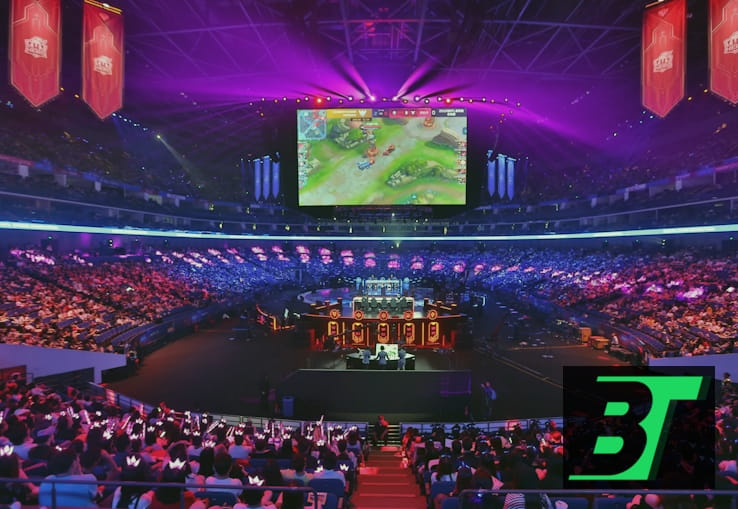
Esports felt like a side show to traditional sports fans. A niche interest that lived on forums and late-night streams. Competitive gaming is now a global spectacle with packed arenas and huge online audiences. This has also brought some serious attention from the betting world.
This shift did not happen by accident. Esports grew because people cared. They picked teams and followed players. They learned maps and tactics and usually played some of the games themselves. Once that level of interest exists, betting tends to follow. It is the same story seen in traditional sports.
The games that lead the world of esports betting all share one thing. They are easy to watch once the basics are understood.
One of the strongest examples is League of Legends. It has been running major tournaments for over a decade. Teams represent regions, and many of the players become stars. Matches feel like stories rather than random games.
A single match can swing wildly on a sixpence. One little skirmish can change everything. That makes viewers tune in and can also sometimes build interest in betting markets. There are clear win conditions. There are stats to study, which provide people with a lot of different ways to arm themselves with information before they choose what to bet on. We’ve also seen a number of different tipsters and players delving into LoL betting odds. This provides a different way to gamble when compared to traditional sports.
Other titles follow similar paths. Dota 2 brings deep strategy and long matches. Counter-Strike 2 offers fast rounds and clear momentum swings. Valorant mixes tactics with personality and flair – there are even loads of different streamers that share content and previews.
These games attract viewers first. Betting grows because fans want another way to engage.
Esports betting works because information is everywhere. Stats are public. Match replays are easy to find. Analysts break down drafts and strategies daily.
This makes betting feel more informed. Fans often know the game deeply and can sometimes understand when a team's draft looks off or when there could be an upset on the cards. They spot patterns over time.
Unlike traditional sports, some esports titles change often through updates. This adds a new layer. A team that dominated last month might struggle after changes due to the constant evolution of these games. The CS title showed how significant this can be when switching from CS:GO to CS2 in 2023 a new sequel with a lot of differences.
This constant motion keeps betting interesting. There is always something new to consider.
League of Legends deserves extra focus because it shows how esports betting has matured. It is actually one of the oldest games played in esports.
Each season follows a rhythm. Regional leagues feed into global events. Rivalries build naturally. Fans know when matches matter most.
Betting markets reflect this structure. Match winners and series scores are options for different betting markets.
People who follow closely can spot trends. That knowledge feeds betting discussions and tip culture.
Streaming changed everything in the world of esports. Esports betting grew alongside live broadcasts on platforms like Twitch, which became the home of live viewership for esports games.
Watching a match live while following odds adds some interest for many players. Chat reactions create a shared experience. It feels social even when watching alone.
Communities form around teams and players. Betting becomes another way to get something out of these games. Pretty much every popular sport seems to eventually develop its own community in this way – betting is often a part of it.
This mirrors traditional sports culture but with faster feedback and deeper access.
As esports matured, betting options expanded.
Look at a football match, and you will see that within the betting markets are loads of different ways for people to back individual and team markets. The more stats and info that are measured on a game, the more markets there tend to be.
This suits esports well because games are layered. A team might lose but still perform strongly in certain areas.
This adds flexibility for those who want to bet on the games. People can focus on aspects they understand best.
Esports also changed expectations around speed and information. Matches happen often and the data from them is very quickly shared. People expect real-time insight. They want context and not just numbers.
This pushes betting culture toward analysis rather than instinct alone.
Esports has not replaced traditional sports betting. It expanded the landscape. Games like League of Legends proved that digital competition can carry the same weight as any stadium sport.
Betting followed because engagement was already there and there is plenty of interest – in fact, it is still growing.